Mon Irlande


Oups… pas de connexion Internet
Si vous n'êtes pas connecté(e), vous pouvez toujours ajouter des éléments à Mon tableau. Les nouvelles recommandations en matière de voyage n'apparaîtront que lorsque vous serez de nouveau en ligne.
Les éléments sans emplacement physique ne s'affichent pas en mode cartographique.
Votre tableau semble vide


Image de couverture de la galerie
Visible par les personnes avec lesquelles vous partagez votre tableau














Créer un compte ?
Accéder à Mon Irlande sur tous ses appareils en se connectant.
Géolocalisation
- Voir les offres et les bons plans à proximité
- Trouver l'inspiration pour son voyage en fonction de son emplacement
- Obtenir des prévisions météorologiques locales et des informations indispensables
- 1. Ouvrez les paramètres du site Web dans votre navigateur.
- 2. Sélectionnez Paramètres de localisation.
- 3. Sélectionnez Autoriser.
- 1. Accédez au site Internet Mon Irlande.
-
![location-ios-step-1]()
![location-ios-step-1]()
- 2. Sélectionnez l'icône ci-dessous.
-
![location-ios-step-2]()
![location-ios-step-2]()
- 3. Sélectionnez Paramètres du site Web.
-
![location-ios-step-3]()
![location-ios-step-3]()
- 4. Autorisez la modification d'emplacement.
-
![location-ios-step-4]()
![location-ios-step-4]()








Durée du voyage
Dites-nous quand vous comptez vous rendre en Irlande et nous vous ferons des recommandations personnalisées au cours de votre voyage.


- Événements recommandés pendant votre séjour
- Rappels et mises à jour utiles concernant votre voyage
Confidentialité
Nous respectons votre vie privée et nous traitons vos données uniquement si vous nous l'autorisez. Dans la mesure du possible, ces données sont traitées de manière anonyme et nous ne les conservons jamais plus longtemps que nécessaire. Pour en savoir plus sur la façon dont nous traitons vos données personnelles, veuillez lire notre politique de confidentialité.
Supprimer les données
Pour supprimer en toute sécurité toutes les données associées à votre profil, veuillez contacter notre responsable de la protection des données.
Réinitialisez votre tableau
Cela supprimera tous les éléments que vous avez précédemment indiqués en favoris dans votre tableau. Veuillez noter que vous ne pouvez pas annuler cette action.
User
Géolocalisation
- Voir les offres et les bons plans à proximité
- Trouver l'inspiration pour son voyage en fonction de son emplacement
- Obtenir des prévisions météorologiques locales et des informations indispensables
- 1. Ouvrez les paramètres du site Web dans votre navigateur.
- 2. Sélectionnez Paramètres de localisation.
- 3. Sélectionnez Autoriser.
- 1. Accédez au site Internet Mon Irlande.
-
![location-ios-step-1]()
![location-ios-step-1]()
- 2. Sélectionnez l'icône ci-dessous.
-
![location-ios-step-2]()
![location-ios-step-2]()
- 3. Sélectionnez Paramètres du site Web.
-
![location-ios-step-3]()
![location-ios-step-3]()
- 4. Autorisez la modification d'emplacement.
-
![location-ios-step-4]()
![location-ios-step-4]()
Durée du voyage
Dites-nous quand vous comptez vous rendre en Irlande et nous vous ferons des recommandations personnalisées au cours de votre voyage.
- Événements recommandés pendant votre séjour
- Rappels et mises à jour utiles concernant votre voyage
Réinitialisez votre tableau
Cela supprimera tous les éléments que vous avez précédemment indiqués en favoris dans votre tableau. Veuillez noter que vous ne pouvez pas annuler cette action.

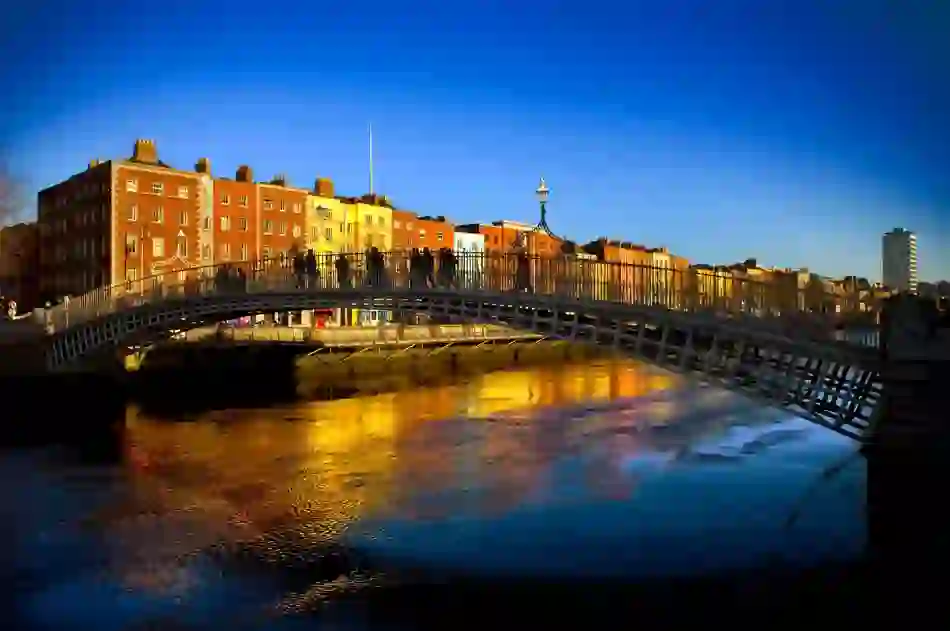

Dublin city: top attractions

1. The Guinness Storehouse
It takes a LOT to become iconic, but Guinness has done it. The “Black Stuff” may be famous the world over, but this slow-settling porter started off life in St James’s Gate at the heart of old Dublin. Back in 1759, an enterprising brewer by the name of Arthur Guinness took out a 9,000-year lease on the brewery here for an annual rent of £45. A couple of centuries later, the Storehouse was born. Built in the style of the Chicago School of Architecture 1904, it was originally used as a fermentation house. Today it’s Ireland’s number one visitor attraction – a gleaming, multimedia exhibition on everything from retro advertising to the craft of brewing, topped off with a pint in the 360-degree Gravity Bar. When you get there, don’t forget to raise your glass to Arthur’s wonderful creation!
4. EPIC The Irish Emigration Museum
Located in the historic vaults of the CHQ Building at Custom House Quay, you'll find the two-time winner of Europe's Leading Tourist Attraction, EPIC The Irish Emigration Museum. The museum delves into the past of Ireland's diaspora in brilliant interactive detail, and the state-of-the-art visitor experience explores the inspiring journeys of over 10 million people who left Ireland's shores throughout history. Fancy learning more about your Irish ancestry? The Irish Family History Centre is also located here, where you can access valuable records, speak with a genealogy expert and join the online community of people on a quest to learn about their Irish roots.
If you're looking for another location laden in lineage, Glasnevin Cemetery is a treasure trove of records accounting for 1.5million burials – in fact, you could say a visit here will give you an intriguing look into the birth of the nation.
5. Dublin Castle
Perched on the site of a Danish Viking fortress from 930AD, and with its first stone cast by King John of England in 1230, Dublin Castle’s historical significance did not stop there. Under British rule from that point until 1921 (it was a key target during the 1916 Easter Rising), it has been a court, a fortress, even a site of execution in its time, and its architecture has evolved and grown with each metamorphasis.
In truth, it feels more like a rambling campus than an actual castle – not many turrets in sight – but it’s the setting for every big state event, including presidential inaugurations. Wander the grounds, or take a guided tour to the state apartments, medieval undercroft and the Chapel Royal.